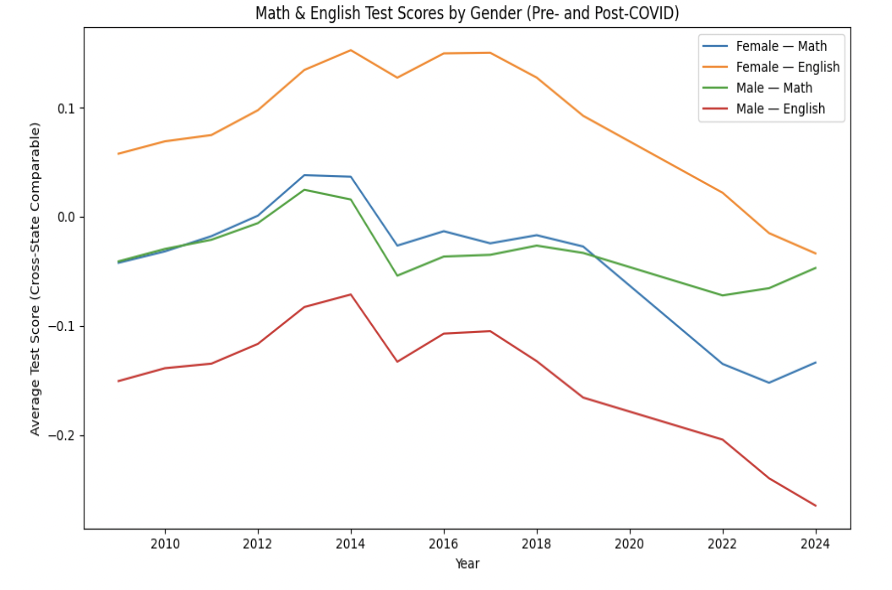
Figure 1. Average test score (compared to median) across pre-COVID to post-COVID
In our data, we observed differences in the performance of male and female students across English and math subjects during the pandemic; we see the steepest decline in female math test scores. We hypothesize that the drop in female math test scores might be caused mostly by underlying inequities that existed before the pandemic. More specifically, according to Niederle and Vesterlund, male students excel in competitive test-taking environments, while female students may shy away from them (compared to each other), leading to female students to struggle more on math tests (Niederle and Vesterlund). This could explain a consistent mismatch between female and male math test scores, but it may not explain exactly why female students' test scores declined more than males’ during COVID-19.
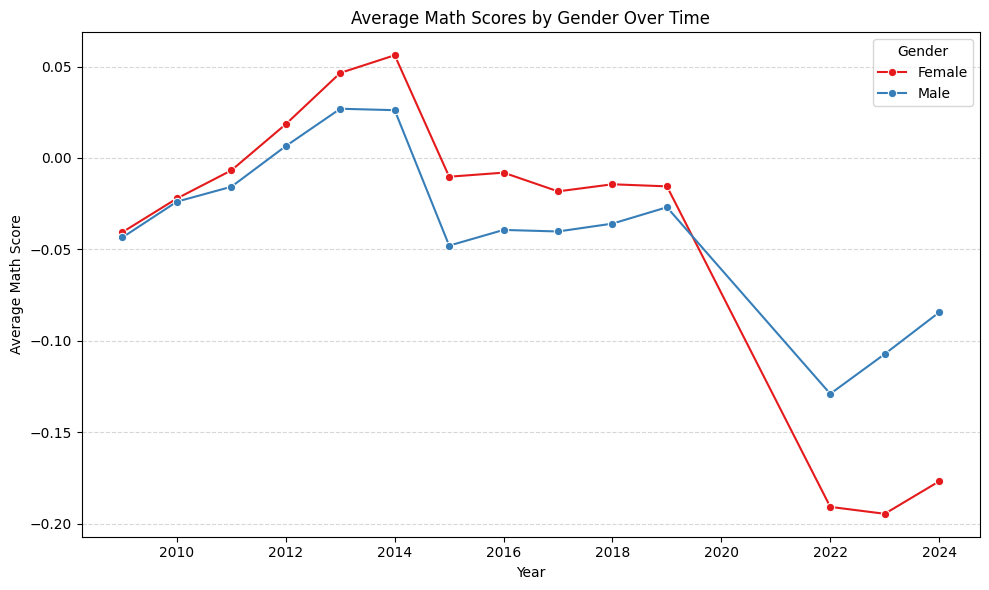
Figure 2. Average math scores by gender over time.
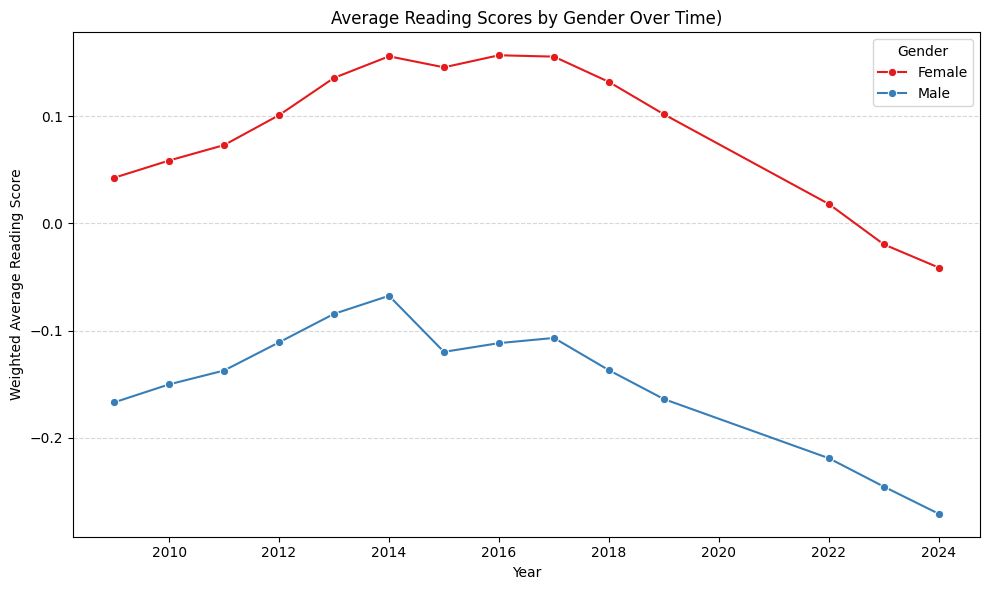
Figure 3. Average reading scores by gender over time.
Alternatively, we hypothesize that female students were more impacted by social disruption during the pandemic than male students. Specifically, Cholankeril et al. found that women experienced “significantly higher levels of anxiety than men” during the COVID-19 pandemic (Cholankeril et al.). We believe that the source of this anxiety was being stuck at home with distanced learning and the increased use of social media platforms by both genders, as according to Twenge et al., “associations between … digital media use and low psychological well-being were generally larger for girls than for boys” (Twenge et al.). Thus, we believe that because students were stuck at home and consumed digital media more than they had before the pandemic, this led to female students experiencing more negative mental health outcomes from consuming this media, and could ultimately explain the higher levels of anxiety and drop in test scores of female students during the pandemic.