What went into our project?
A digital humanities (DH) project can be broken down into three main phrases: gathering sources, processing sources into data, and presenting the processed data. Our DH project followed in a similar fashion.

Illustration by Getty Images
(3D rendering of a blue, spiky coronavirus particle against a dark background.)
I. Selecting our sources
To initiate a DH project, sources must be collected. These sources can be defined as the materials which are turned into data, which can include images, files, novels, numerical information, or any other type of viable “stuff”. For our project, the primary source we used is the Stanford Education Data Archive, otherwise known as the SEDA dataset. The SEDA dataset is an example of materials which have already been quantified into data and organized as a dataset. Therefore, in terms of the actual labor we put into this step of our project, we did not have to make any decisions about collecting sources ourselves. However, as Johanna Drucker states in her Digital Humanities Coursebook, “The way in which materials become digital matters” (Drucker). To adhere to similar values of transparency within our project, we highlight how the SEDA dataset came into formation in the “Data” section of our website.
II. Processing our data
The next phase of a DH project includes transforming the sources into data. This involves cleaning, structuring, extracting, and preparing the sources for computational processing as data. For example, raw text or unstructured information is organized into columns and rows, making it usable for analysis. In our project, much of this work was done for us in an understandable and sufficient fashion by the Education Recovery Project team as they created the dataset. Therefore, our data analysts were able to use the dataset as it came in order to transform it into visualizations.
III. Presenting our narrative
In the final phase of a DH project, the processed data is visualized, mapped, made searchable, or made interactive. This can be either an online or offline presentation—what is important is that the final deliverable allows people to understand and engage with the data. Using the work of Alberto Cairo’s How Charts Lie as a theoretical framework, our team sought to create a website which would house data visualizations that are meaningful, accurate, and accessible (Cairo). We thus used the web building platform WordPress to host our website, and the programs Tableau, Python, and Palladio to create a map as well as data visualizations. Using our visualizations as the basis for our claims, we then built a surrounding narrative about educational disparities that is supported by lived realities.
Our team
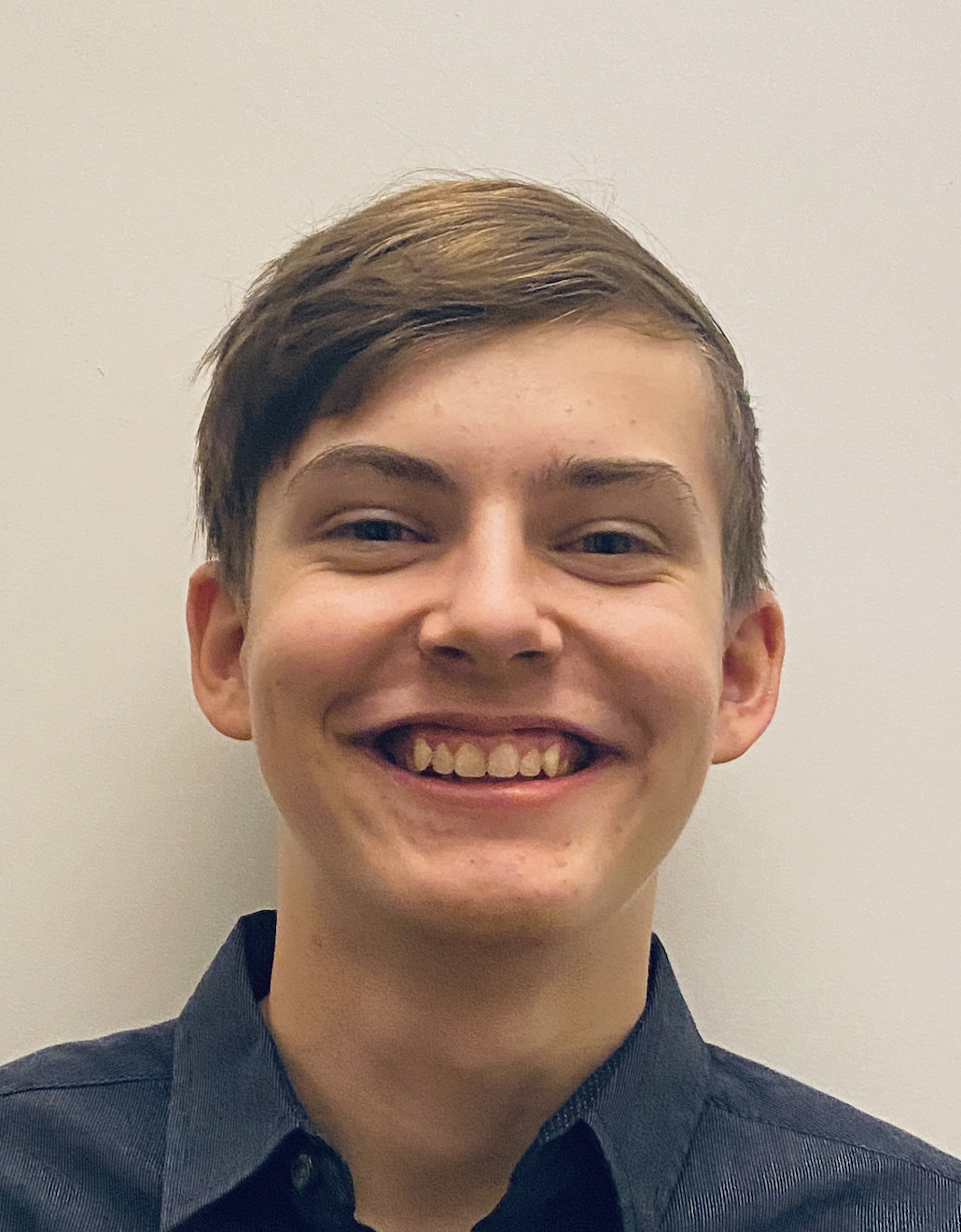
Coen
Hi, my name is Coen, and I am a 3rd year Statistics and Data Science major. As the project manager, I set up meetings and organized tasks to help our group meet project goals and deadlines. My favorite class this quarter is Intro to Probability because I really like the professor’s lectures.
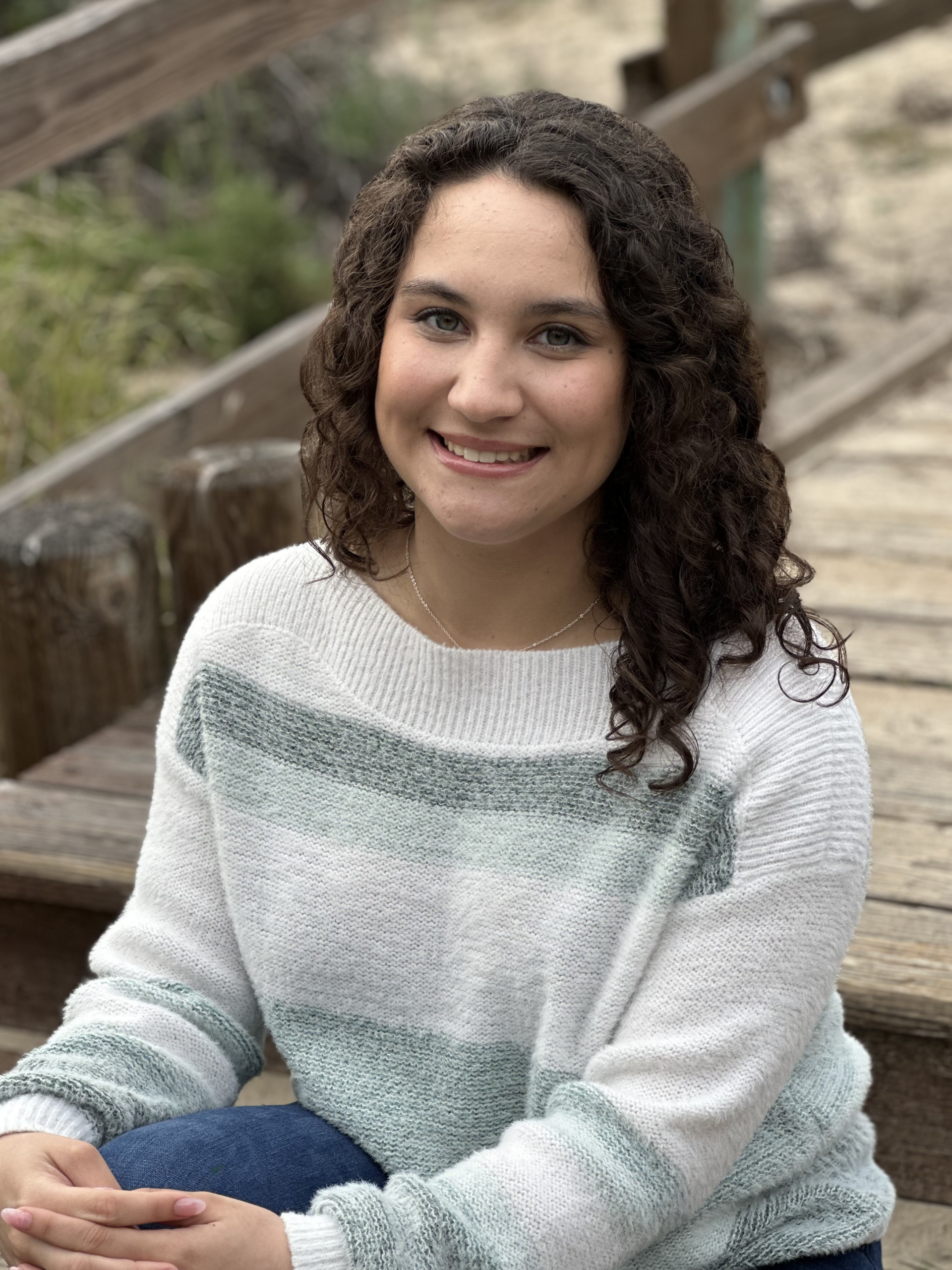
Hannah
Hi, my name is Hannah and I am a 2nd year Public Affairs and Sociology major. As the co-editor and co-web developer, I collaborated with Bianca to ensure website clarity and aesthetic cohesiveness, ensuring that our project was purposeful, succinctly written, and visually appealing. My favorite class this quarter was Public Affairs 50, Foundations and Debates in Public Thought.

Kyle
Hi, my name is Kyle He and I am a 4th year Statistics & Data Science major. As the data specialist, I looked over the dataset and found what was missing and cleaned up the data and made visualizations to help us look at different trends. My favorite class is com sci 148.

Bianca Sofia
Hi, my name is Bianca Sofia, and I am a 3rd-year Art History major. As the Co-Web Developer and Editor, I collaborated with Hannah on the layout of the website, helping ensure ease of use and clarity of the written information regarding our data and the sources we gathered and used.
My favorite class for this quarter is my Art 100 Seminar class, Art Historical Theories and Methodologies.
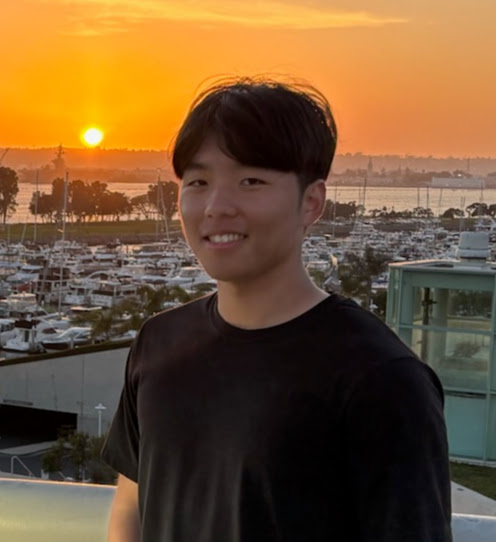
Brian
Hi, my name is Brian Hong, and I am a 3rd year Statistics & Data Science major. As the data specialist, I took our dataset and generated meaningful visualizations that helped us understand and answer our research question. My favorite class: Astr 3.

Olivia
Hello! My name is Olivia Hara and I am a 4th year Sociology major! As one of the statisticians I helped to create some data visualizations to help better understand our dataset! Additionally I also helped to do some further research into the topics of Covid-19 and education and how they affected the population of the U.S. My favorite class thus far has been Film 113!
Acknowledgements
We would like to acknowledge our TA, Pietro Santachiara, for helping us navigate through this project. We would also like to acknowledge our Professor, Dr. Kurtz for instruction and giving us the necessary tools and skills that were used in this project. Finally, we would like to acknowledge National Center for Education Statistics (NCES) for providing relevant datasets to facilitate our research.